oregon
Exploring Oregon's Rocky Reefs
This is part of a series of posts about our Pacific Hotspots expedition. Today's highlights: rockfish, basket stars and hydroids.
Oregon Leg, Day 1
Last night our six Oceana crew slept aboard the R/V Miss Linda, tied to the dock at the Charleston Marina. The captain and his two crew members arrived at dawn, started up the engines and walked our tired souls through an important safety briefing. The Miss Linda is a 76-foot research charter vessel that formerly worked these Pacific Ocean waters as a commercial fishing boat. The captain is experienced, confident and will certainly lead us safely through our five-day expedition.
Our objective today was to get situated working aboard the Miss Linda with our Remotely Operated Vehicle (ROV) while exploring a large area of rocky reef just south of Cape Arago. Over the next four days we will use the ROV to capture high definition video footage of some of the most remote and rugged areas off the southern Oregon coast.
By our third dive this afternoon, five miles offshore and over 150 feet down, the Miss Linda crew and Oceana crew were in sync. With each drop of the ROV we saw schools of rockfish hovering over a rich tapestry of seafloor life.
Rachael Harris at Sea Turtle Symposium
Oceanography legend Jacques Cousteau once said “The Sea, once it casts its spell, holds one in its net of wonder forever.” This spellbound wonder is certainly true for our fascination with the 7 species of sea turtles that have inhabited the world’s oceans for four million years and, sadly, which are all now threatened or endangered with extinction. These awe-inspiring ocean reptiles were the focus of the 31st Annual Symposium on Sea Turtle Biology & Conservation in San Diego.
Actress and sea turtle advocate Rachael Harris (“The Hangover”) presented at our Friday reception. She shared a special connection she made with a green sea turtle named Esmeralda while touring a sea turtle rehabilitation center in Mexico with Oceana last year.
Harris was captivated by how expressive Esmeralda was despite her flippers being mutilated after becoming entangled in fishing line and being attacked by a dog while on a beach to nest. Harris’ enthusiastic support for sea turtle protections is shared by fellow sea turtle advocate Angela Kinsey (“The Office”). The two will storm the nation’s capitol in early May to educate Congress about why we need to get turtles off the hook and the need for more sea turtle protections throughout our nation’s waters.
Speak Up for Oregon's Coast!
Listen up, Oregonian ocean lovers (and non-Oregonians, too!) Right now we have a chance to create a system of marine reserves and protected areas off Oregon’s coast, and we need your help!
Oregon’s Marine Reserve Community Teams are working to plan marine reserves and protected areas at Cascade Head, Cape Perpetua, and Cape Falcon, and alternative proposals are being considered in the Cape Arago region.
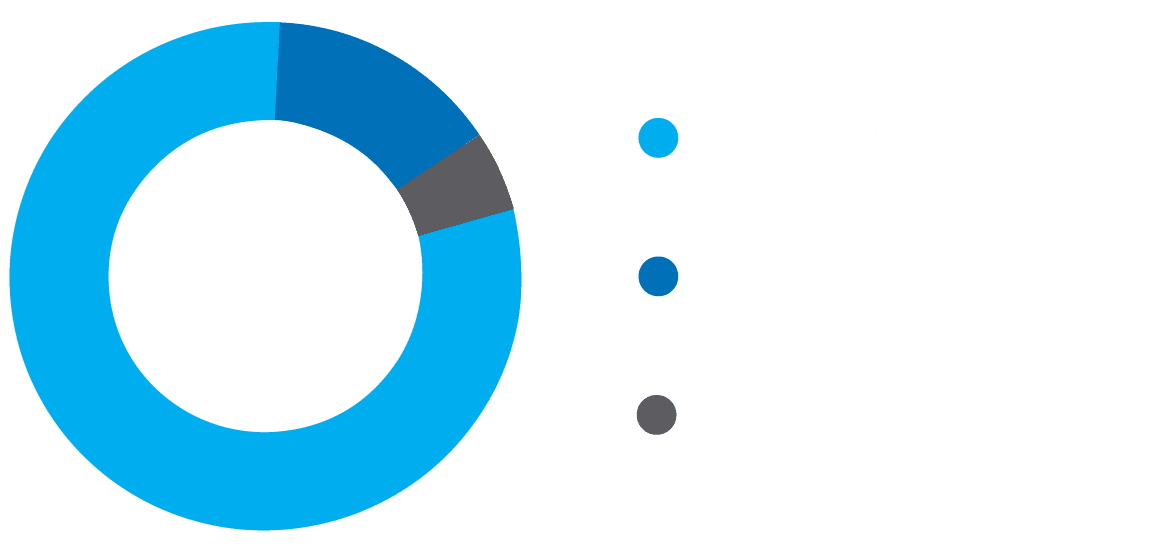
These marine reserves and protected areas will leave 93% of Oregon's oceans open to current activities while creating sanctuaries where marine life and habitats can flourish. Marine reserves will bolster the local economy while protecting Oregon’s marine resources from habitat destruction and overfishing.
They need to hear from you by the end of November, so speak up today!
Afterwards, help spread the word by sharing on Facebook and posting on Twitter.
Oysters Feel the Burn of Ocean Acidification
Yesterday, a few of us attended a staff briefing on Capitol Hill on ocean acidification and fisheries put on by the Sustainable Fisheries Partnership.
There were representatives from the fishing communities of the Pacific Northwest, the Gulf of Mexico and Maine. They were requesting that additional resources be channeled towards ocean acidification research so that we can better understand how fisheries are and will be impacted by rising ocean acidity.
The Whisky Creek Shellfish Hatchery in Oregon has already experienced massive collapses in their oyster stocks due to rising ocean acidity, and they’ve been doing a lot of research on their own to monitor changes in pH. Their representatives called for a comprehensive system of measuring pH so that they and other hatcheries can adapt to changes and not be driven out of business by ocean acidification.
This group of fishers also recognized that while it is important to figure out ways to adapt to the changes that are already happening, without a true cap on carbon dioxide and serious decreases in emissions, these fisheries will not have a future.
[Ellycia Harrould-Kolieb is a marine scientist at Oceana.]