Save the Oceans, Feed the World
Overview
Abundant oceans are critical to keeping our planet healthy and regulating the climate. They also have the potential to feed one billion people a healthy seafood meal, every day, forever.
When the oceans are protected, when marine resources are responsibly managed, those fisheries produce wild food that is climate-smart and nutritious.
At Oceana, we recognize that it’s not just about who catches the most fish, but also who needs fish the most. Over 740 million people depend on ocean fisheries for food, livelihoods, or both. If they lose access to local fish, many will face poverty or malnutrition, or both.
Many local fish populations are now in decline because of illegal and destructive fishing, limited management capacity, and warming oceans. In some cases, fish are being taken out of the nets of local fishers by wealthier nations and sent to other countries.
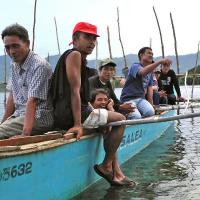
To address these threats, Oceana is partnering with small-scale fishing communities to help protect and strengthen their livelihoods, increase local access to fish, and support their voices in policy decisions at the national level.
We will ensure that local catch is supporting local people. Together, we can save the oceans and feed the world.